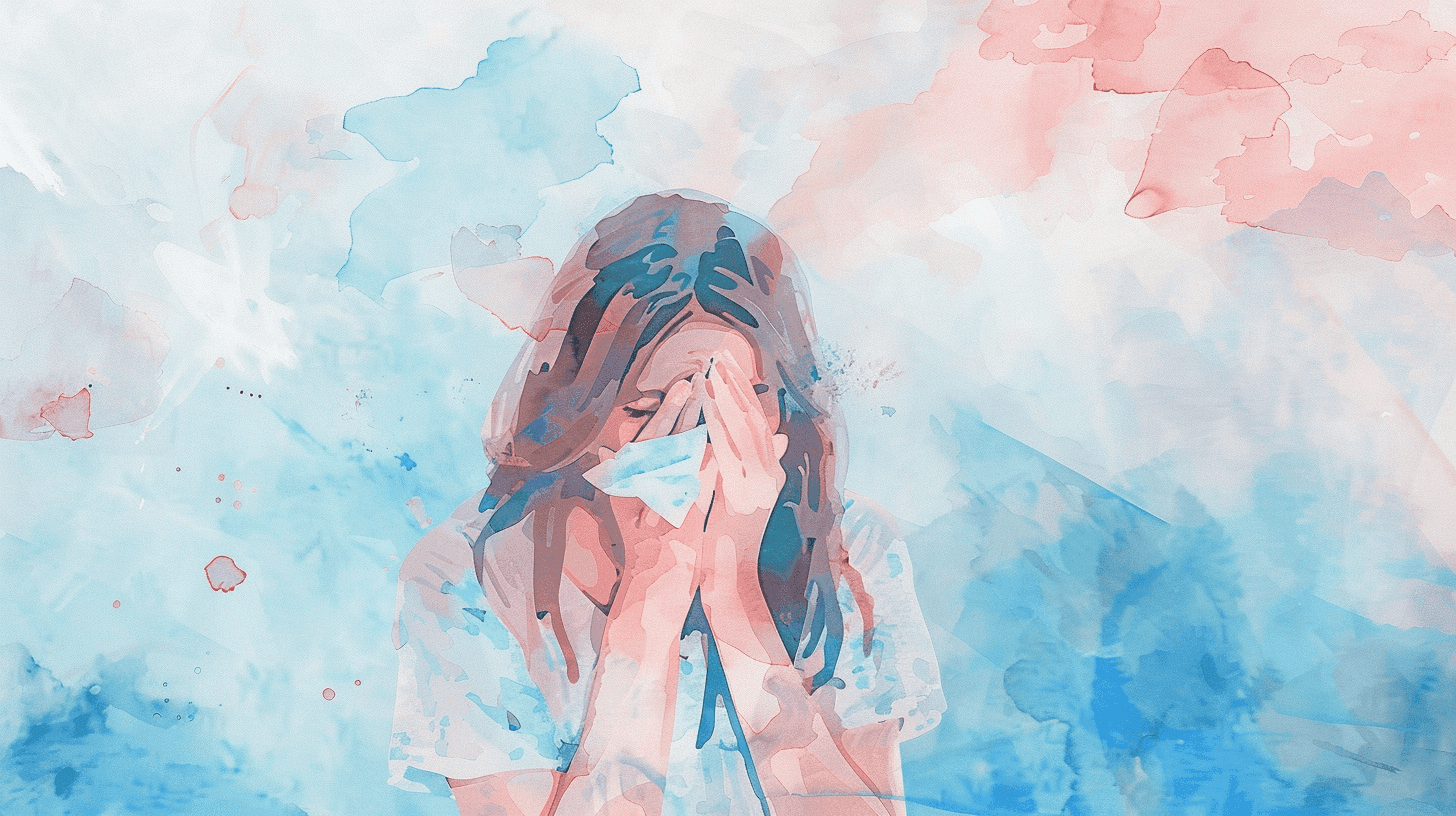

You're three months postpartum. Or six. Or twelve. And you're still struggling.
Everyone told you the first few weeks would be hard. They mentioned baby blues. They said it gets easier.
But it hasn't gotten easier. And now you're asking the question that keeps you up at night: How long is this going to last?
It's a fair question. A desperate question. And one that too few people answer honestly.
The Short Answer (That Isn't Satisfying)
Postpartum depression, without treatment, can last months to years. With treatment, most women see significant improvement within 3-6 months.
I know. That's a wide range. Let me give you more context.
What the Research Shows
Studies on PPD duration tell us several important things:
Untreated PPD often persists. Research by Dr. Michael O'Hara at the University of Iowa found that without intervention, about 30% of women with postpartum depression still had significant symptoms at one year postpartum. Some studies show symptoms lasting 2-3 years in a portion of untreated cases.
Treatment significantly shortens duration. A major study published in the Journal of Affective Disorders found that women who received treatment (therapy, medication, or both) typically saw improvement within 3-6 months, with many experiencing significant relief within weeks of starting appropriate treatment.
Earlier treatment leads to faster recovery. The longer PPD goes untreated, the more entrenched it can become. This isn't to shame you if you've waited. It's to say that starting treatment now still helps, even if you've been struggling for a while.
The Factors That Affect Duration
No two cases of postpartum depression are identical. Several factors influence how long yours might last:
Treatment Status
This is the biggest factor. Women who receive appropriate treatment, whether therapy, medication, or both, have significantly shorter episodes than those who don't. If you're not currently in treatment and you've been struggling for more than two weeks, please reach out to a provider.
Severity
Mild to moderate PPD often responds more quickly to treatment than severe depression. However, severe PPD is also highly treatable; it may just require more intensive intervention (medication is often necessary for severe symptoms).
History
If you've had depression before, whether postpartum or otherwise, your episode may be longer or require more aggressive treatment. This isn't a judgment; it's information that helps providers tailor your care.
Support System
Women with strong practical and emotional support tend to recover faster. This doesn't mean you're failing if you don't have support; it means we need to build that into your treatment plan.
Sleep
Chronic sleep deprivation maintains and worsens depression. Dr. Katherine Sharkey's research at Brown University shows that addressing sleep can significantly accelerate PPD recovery. This might mean shifts with a partner, night help, or sleep training when developmentally appropriate.
Ongoing Stressors
Financial stress, relationship problems, lack of childcare, return-to-work pressures. These all affect recovery. Treatment works best when it also addresses life circumstances, not just brain chemistry.
What Recovery Actually Looks Like
Recovery from postpartum depression isn't usually a sudden switch from dark to light. It tends to look more like this:
First, the worst days become less frequent. Instead of every day being terrible, you start having some days that are just bad. Then some that are okay.
Then, you start having moments. A few minutes here and there where you feel like yourself. Where you can enjoy something. Where the heaviness lifts briefly.
Gradually, the moments become hours. Then half-days. Then full days.
Eventually, the bad periods become the exception rather than the rule. You might still have hard days (parenting is hard regardless of mental health status), but they no longer define your experience.
This process isn't linear. You'll have setbacks. Days you thought you were better, then suddenly aren't. This is normal and doesn't mean treatment isn't working.
The Medication Question
Many women with PPD wonder about medication, often with mixed feelings. Here's what I want you to know:
Antidepressants Can Be Very Effective for PPD
Studies show that SSRIs (like sertraline/Zoloft, which is well-studied in breastfeeding) help about 60-70% of women with postpartum depression. The newer medication brexanolone (Zulresso), given as an IV infusion, shows even higher response rates for moderate to severe PPD.
Medication Often Works Faster Than People Expect
While full effects take 4-6 weeks, many women notice some improvement within the first 1-2 weeks. If you don't notice ANY change after 4-6 weeks, that particular medication may not be right for you, but others might work.
You Can Take Most Antidepressants While Breastfeeding
Sertraline (Zoloft) and paroxetine (Paxil) have the most safety data and transfer to breast milk in very low amounts. The risk of untreated depression to you and your baby typically outweighs the very small risk of medication exposure. This is a conversation to have with your provider, but please don't assume breastfeeding means you can't be treated.
Therapy and Medication Together Work Best
Research consistently shows that combining psychotherapy (particularly CBT or interpersonal therapy) with medication produces better outcomes than either alone. If you can access both, do so.
Why It Might Feel Like It's Lasting Forever
Depression distorts time perception. Research by Dr. Peter Tse at Dartmouth shows that people who are depressed experience time as moving more slowly. A week of depression can feel like a month.
Depression also distorts memory and future thinking. You may have trouble remembering feeling good, and you may have trouble imagining feeling good again. This isn't truth; it's a symptom of the illness itself.
If you feel like you've been depressed forever and will be depressed forever, please hear this: That feeling is the depression talking. It's not an accurate assessment of your situation or prognosis.
When to Worry About Duration
Reach out to your provider if:
- You've been in treatment for 6-8 weeks without ANY improvement
- You were improving and suddenly got significantly worse
- Your symptoms have lasted more than a year despite treatment
- You're having thoughts of self-harm or harming your baby
- You're unable to function (can't care for baby, can't get out of bed, can't eat)
These situations don't mean you're hopeless; they mean your treatment plan needs adjustment. There are many treatment options, and if one isn't working, others are available.
The Myth of "Just Powering Through"
Some women try to wait out PPD, hoping it will resolve on its own. Sometimes it does. But research shows:
- Untreated PPD can last 2-3+ years in some cases
- Prolonged depression affects mother-infant bonding
- Children of mothers with untreated depression have higher rates of developmental and behavioral issues
- Untreated depression increases risk of future depressive episodes
You would not try to power through a broken leg. Depression is equally biological, equally treatable, and equally worthy of medical attention.
What You Can Hold Onto
Postpartum depression is one of the most treatable mental health conditions. The vast majority of women who get help feel significantly better.
Your current state is not permanent. The heaviness, the emptiness, the inability to feel joy. These will lift. Not because I'm offering you false hope, but because this is what the evidence shows happens with treatment.
However long you've been struggling, whether weeks, months, or even more than a year, you can still get better. It's not too late. You're not too broken. The length of your suffering doesn't determine your capacity to heal.
If you're still wondering "how long will this last?" The answer is: until you get the right help. And then, usually, not much longer than that.
Please reach out. Treatment works. Recovery is real. And you deserve to feel like yourself again.
Related Reading
- Postpartum Depression vs Baby Blues: How to Tell the Difference
- Weaning and Depression: The Mood Shift No One Warns You About
- Is This Postpartum Anxiety or Just New Mom Stress?
The honest answer is that postpartum depression tends to last far longer untreated than treated—which is actually the hopeful part, because the right support genuinely shortens the timeline. If you've been waiting it out for months hoping it lifts on its own, that waiting is itself the signal to reach out. You can read about postpartum depression treatment, or book a free 15-minute consult to start feeling like yourself again.